
Call us now :08045475841
 Send Inquiry
 Send Inquiry
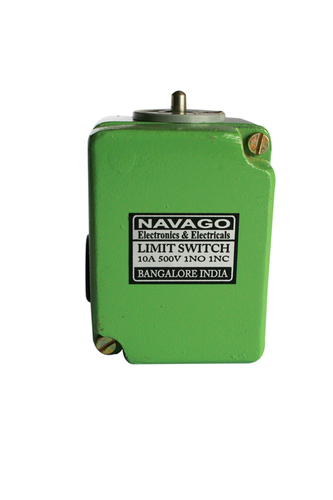
Single Element Limit Switch
Price 100 INR/ Piece
MOQ : 10 Pieces
Single Element Limit Switch Specification
- Finish Type
- Matte/Glossy
- Circuit Type
- SPDT
- Automation Grade
- Industrial
- Mechanical Life
- 1,000,000 operations
- Number of Module
- Single
- Rated Voltage
- 250V AC
- Temperature Range
- -20C to +70C
- Max. Current
- 10A
- Protection Level
- IP65
- Response Time
- 5 ms
- Product Type
- Single Element Limit Switch
- Material
- High-grade thermoplastic and die-cast metal
- Insulation Resistance
- 100 M at 500V DC
- Contact Resistance
- 25 m (Initial)
- Max. Voltage
- 500V AC
- Operating Temperature
- -20C to +70C
- Stoke
- 10 mm
- Size
- Standard compact
- Color
- Grey/Black
- Weight
- Approx. 180g
- Mounting Type
- Panel/Surface Mount
- Current Rating
- 10A
- No Of Poles
- 1
- Insulation Class
- Class II
- Applicable Standards
- IEC/EN60947-5-1
- Contact Material
- Silver alloy contacts
- Vibration Resistance
- 10-55 Hz, Amplitude 1.5 mm
- Actuator Type
- Rotary plunger
- Shock Resistance
- >30G
- Electrical Life
- 500,000 operations
- Dielectric Strength
- Above 2000V AC for 1 minute
- Ambient Humidity
- 85% RH
- Wiring Entry
- M20 or PG13.5
- Switching Capacity
- AC-15, 230V/0.75A
Single Element Limit Switch Trade Information
- Minimum Order Quantity
- 10 Pieces
- Supply Ability
- 1000 Pieces Per Month
- Delivery Time
- 3 Week
Single Element Limit Switch About
Single Element Limit Switch is generally designed in a simple method. It is easy to work in any industrial setting. This switch is known for its high accuracy and reliability. Therefore, provided switch ensures a less power consumption devices. It is connected easily with to the actuator shaft. Single Element Limit Switch is suited for single limit switch propose. It is used to count objects passing a point. It can easily detect the presence of an object.
Engineered for Industrial Automation
Designed to withstand harsh environments, this single element limit switch is constructed with high-grade thermoplastic and die-cast metal for strength and longevity. Its resistance to shock, vibration, and humidity ensures stable performance in demanding settings. The compact size and versatile mounting options make it suitable for a broad range of panel and surface mounting applications.
Versatile and Reliable Operation
Benefit from the switchs SPDT circuit configuration for flexible integration in control systems. The rotary plunger actuator enables precise mechanical triggering, catering to a wide variety of usage scenarios. With minimal contact resistance and a swift response time under 5 milliseconds, it ensures accurate, dependable switching every cycle.
FAQs of Single Element Limit Switch:
Q: How is the rotary plunger actuator operated in this limit switch?
A: The rotary plunger actuator is mechanically triggered when an object or part of a machine comes into contact with it, rotating the plunger to activate the switch mechanism. This action changes the state of the internal SPDT contacts, allowing it to be used for position or presence detection in automated processes.Q: What are the main application benefits of using this single element limit switch in industrial automation?
A: With its robust housing, shock resistance over 30G, IP65 protection, and high electrical and mechanical life cycles, this limit switch ensures reliable operation in environments exposed to dust, vibrations, and temperature fluctuations, minimizing maintenance and downtime.Q: When should this limit switch be installed in a control system?
A: This rotary plunger limit switch is ideal when accurate end-of-travel or position detection is required in automated machinery, conveyor systems, or safety interlock mechanisms. It should be installed whenever consistent switching performance and reliability are essential.Q: Where can the limit switch be mounted for optimal performance?
A: The unit supports panel or surface mounting, giving flexibility to integrate it into various machine or equipment layouts. Its designed for compact spaces, and the selectable wiring entry (M20 or PG13.5) facilitates convenient and secure electrical connections.Q: What process is followed for wiring and connection?
A: First, choose the appropriate wiring entryM20 or PG13.5based on your setup. Route the electrical wires through the gland, ensuring insulation meets Class II standards, and securely fasten them to the silver alloy contacts. Always comply with IEC/EN60947-5-1 safety guidelines during installation.Q: How does the switch guarantee operational reliability over time?
A: Constructed from high-grade materials, the switch boasts a mechanical life of 1,000,000 operations and electrical life of 500,000 operations. Its silver alloy contacts provide steady conductivity, and protection features like class II insulation and dielectric strength above 2000V AC ensure safety even in adverse conditions.Q: What standards and ratings does the limit switch comply with?
A: This device meets IEC/EN60947-5-1 applicable standards and carries an IP65 protection rating. Withstanding up to 500V AC, its insulation resistance is at least 100 M at 500V DC, ensuring high electrical integrity in industrial environments.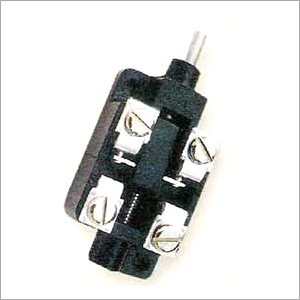
Tell us about your requirement

Price:
Quantity
Select Unit
- 50
- 100
- 200
- 250
- 500
- 1000+
Additional detail
Mobile number
Email

More Products in Limit Switch Category
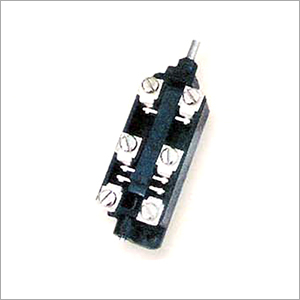
2NC+1NO Three Element Switch
Price 275 INR / Number
Minimum Order Quantity : 10
Insulation Resistance : 100M at 500V DC
Stoke : 22mm
No Of Poles : 3
Operating Temperature : 25C to +70C
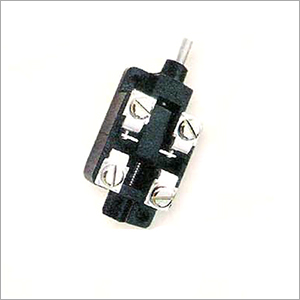
1NO+1NC Single Element Switch
Price 95 INR / Piece
Minimum Order Quantity : 10 Pieces
Insulation Resistance : 100 M at 500V DC
Stoke : 4.5 mm
No Of Poles : 1NO+1NC
Operating Temperature : 10C to +55C
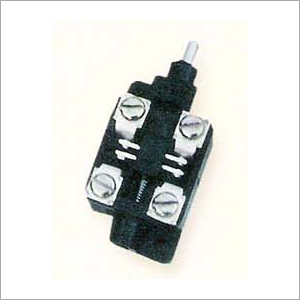
Double Element Limit Switch
Price 95 INR / Piece
Minimum Order Quantity : 1 Piece
Insulation Resistance : 100 M min. (at 500 V DC)
Stoke : 10 mm approx.
No Of Poles : Double Pole
Operating Temperature : 10C to +80C
1NO+1NC Aluminum Box With Push Roller
Price 325 INR / Number
Minimum Order Quantity : 10
Insulation Resistance : 100M at 500V DC
Stoke : 10mm nominal
No Of Poles : 1NO + 1NC
Operating Temperature : 25C to +70C

 Send Inquiry
Our Products


B No. 3, Navago House, Pipeline Main Road, Raghavendra Layout, Yeshwantpur, Bengaluru - 560022, Karnataka, India

Mr Raghavendra U. Shenoy
(Partner)
Mobile :08045475841
 Send Inquiry
 Send SMS
 Call Me Free
Developed and Managed by Infocom Network Private Limited.
